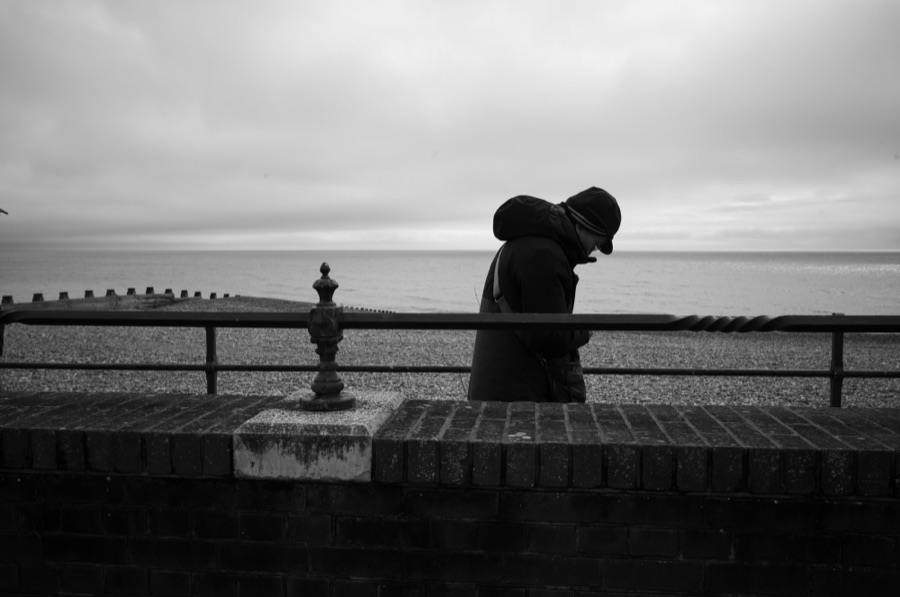
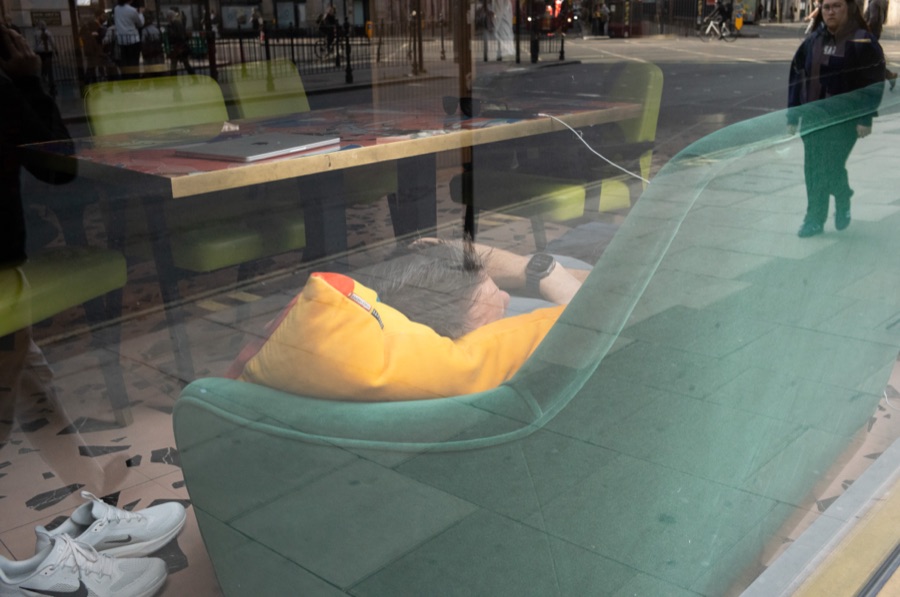
Pairs across a spread
A reader never sees one photograph on its own. They see two, side by side, and then the next two. What happens between them is yours to choose.
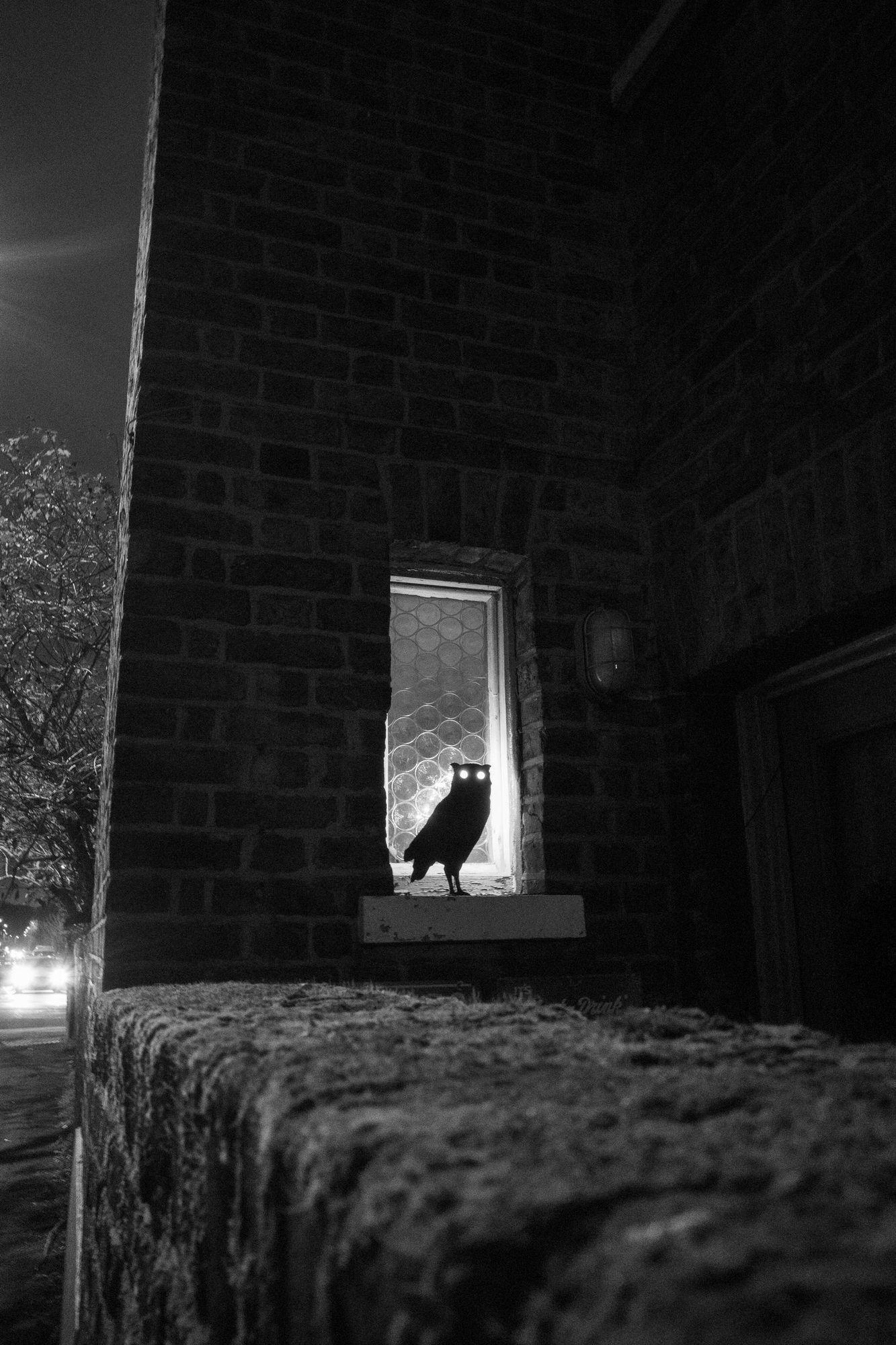
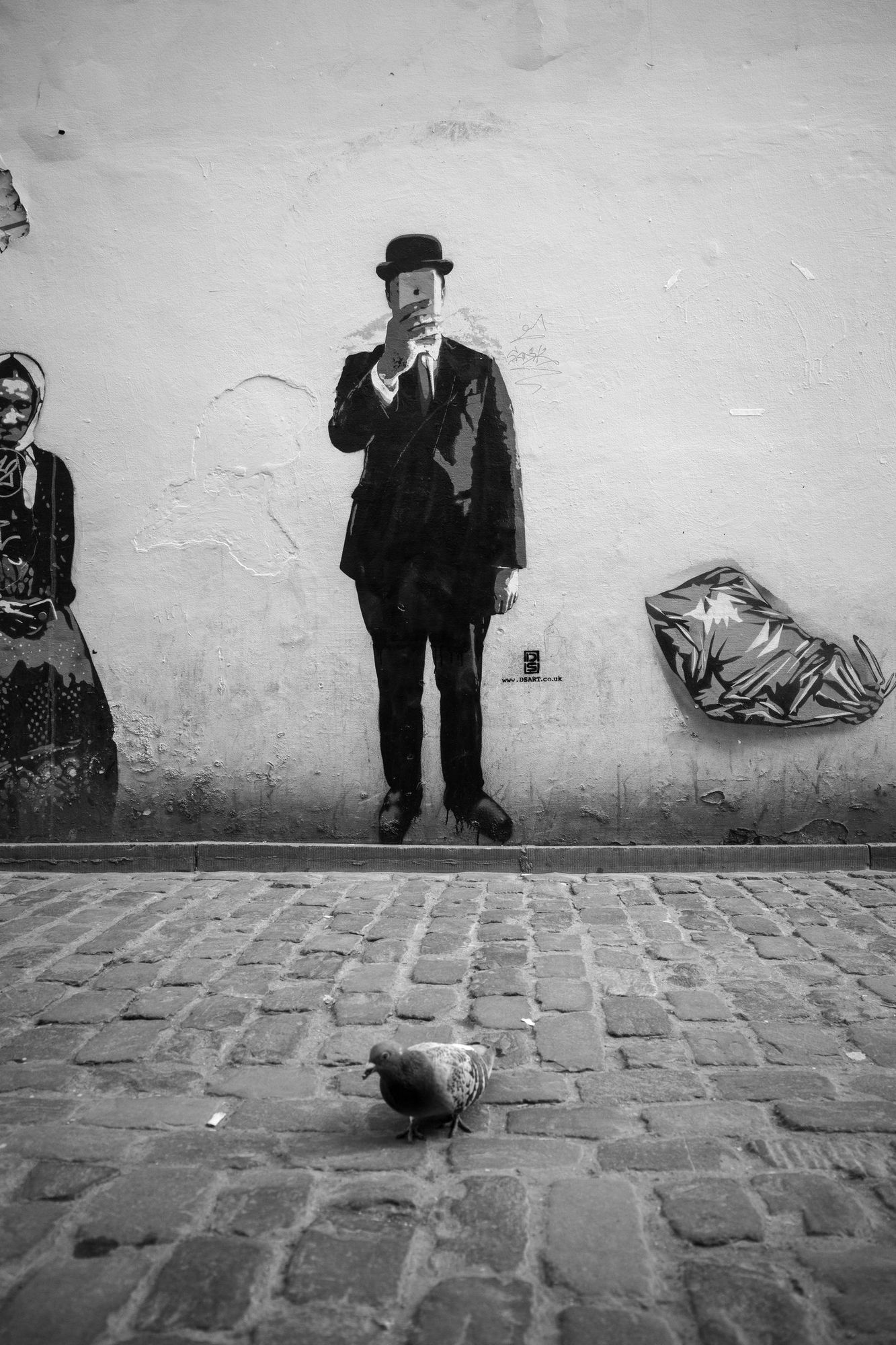
Two pages at a time
A stapled zine opens flat, and the reader takes in both pages at once. However carefully you order the pictures one by one, nobody reads them that way. They see the left page and the right page together, turn, and see the next two. Andrew Molitor, writing about sequencing, calls the two-page spread the basic unit of a book. Every decision about order is also a decision about which pictures will share a spread.
There are two ways to use that. One photograph to a spread, with the facing page left white, gives each picture its own room. Walker Evans made American Photographs (1938) this way: every plate on the right-hand page, the facing page blank, and a note inside the jacket that the pictures are intended to be looked at in their given sequence. The other way is a photograph on each page. As Molitor puts it, once you print left and right, you have interplay between the two pictures.
Neither is better. A white page is a pause; a pair is a conversation. Most zines use both, and the rhythm of the two is part of the sequence.
What a pair can do
When two photographs face each other, the reader looks for the connection whether or not you meant one. Molitor’s warning is that if you don’t supply it, the reader will invent it. So choose it.
The connection can be almost anything. Molitor lists repetition or contrast of subject, graphic structure or emotion. Jason Fulford, who has made many photobooks, says that in his own editing a pair sometimes turned on a graphic relationship, sometimes a kind of fictional narrative, and sometimes something totally goofy. In This Equals That, the picture book he made with Tamara Shopsin, every spread is a pair, and the links run through shapes, colours and patterns, or something more abstract. Then the page turns, the right-hand picture moves to the left, and a new partner arrives. The pair is never only two pictures: it is a link in a chain that runs the whole way through.
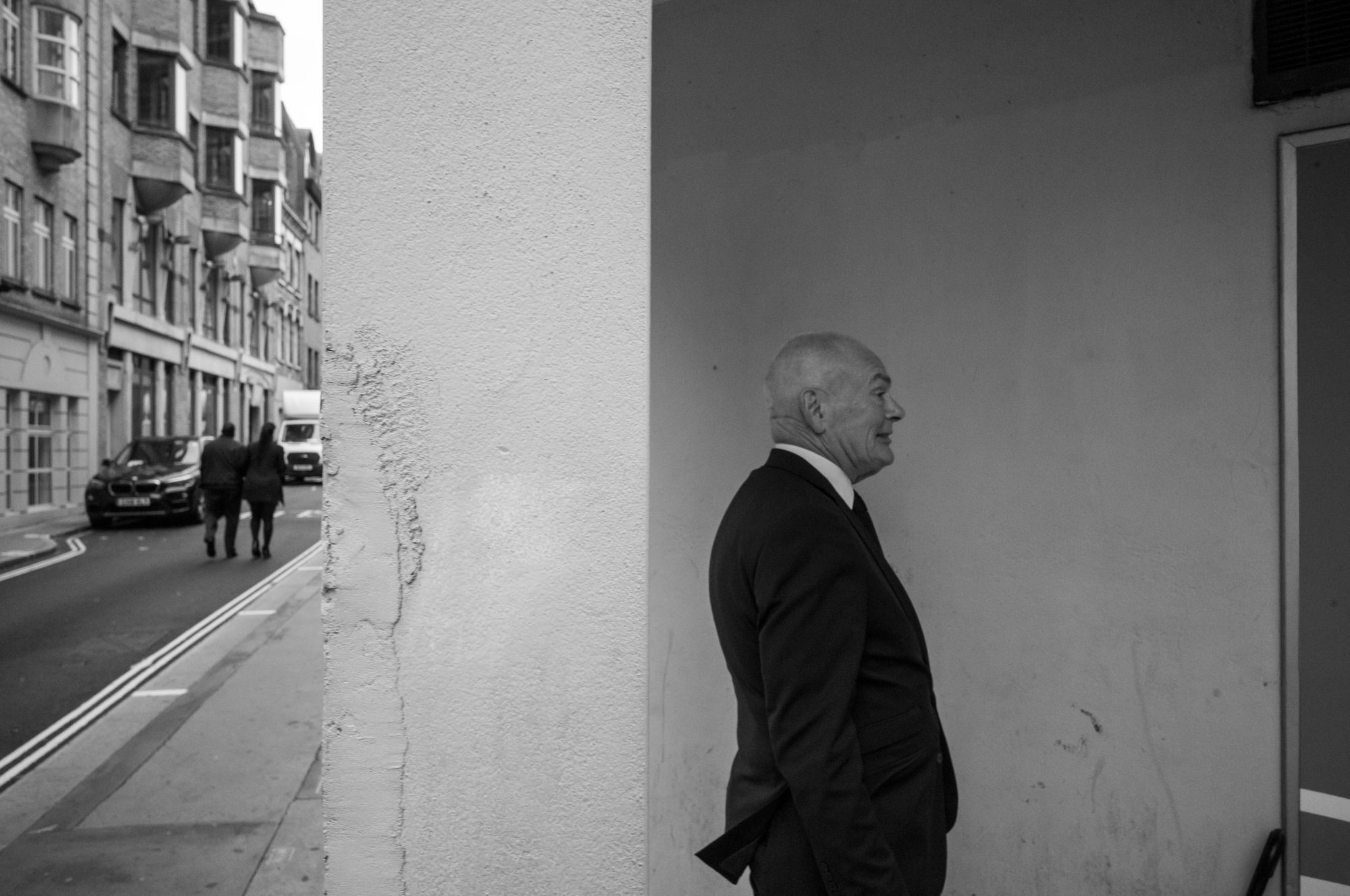

Gerry Badger, quoted by the photographer Christian Patterson, describes it this way: if one photograph is a word, it’s by putting it into a sequence with others that sentences and paragraphs are made. A pair is the shortest sentence you can write.
Pairs that cancel out
The obvious pair is two pictures of the same thing. Fulford says that the first juxtapositions he found in his own work were near-identical photographs taken in two different places. They looked clever on the table. Over time, he found, they cancel each other out, and he came to see them as the least interesting kind of relationship.
A pair that says the same thing twice has nothing left to do.
What works better is looser: a shape that echoes rather than repeats, a gesture on the left answered by something that isn’t quite an answer on the right. Fulford’s word for the best pairs is that they hover. The connection is there, but it isn’t fixed, so the reader keeps looking.
One way to check a pair is to cover one page with your hand. If the other picture loses nothing, the two aren’t doing much together. Try the same picture beside a different neighbour before you decide it doesn’t belong.
Crossing the fold
There is a third option: one photograph across both pages. The fold (the gutter, where the pages meet at the staples) then runs down the middle of the picture. A stapled zine lies fairly flat, so less is lost there than in a thick bound book, but a face or a horizon’s one important point will still sit in the crease.
Simon King, a photographer who designs his own books, keeps anything essential away from the centre when a picture might run across a spread, and looks for lines that carry from one page into the next: a rope, a kerb, road markings. Molitor says much the same more bluntly: the gutter is a strong vertical, so work with it rather than against it.

Here, only the across-the-spread layouts cross the fold. Every other layout stops at the inner margin, so the question only comes up when you choose it.
Sources and further reading
- Andrew Molitor, “Sequencing, Part I”, Luminous Landscape: the spread as the basic unit, interplay between facing pictures, readers inventing connections, and the gutter as a strong vertical.
- The Museum of Modern Art, “Two views of Walker Evans’s American Photographs” (2013): Evans “emphasized the single picture on a blank spread and in sequence for the book”.
- Popular Photography, “Walker Evans’s American Photographs, finally back in print”: the plates on the right-hand pages, facing pages blank, and the jacket note that the reproductions “are intended to be looked at in their given sequence”.
- Visual Studies Workshop, “Sequence” (independent study notes): Jason Fulford on juxtapositions that cancel each other out, the least interesting relationship, and the “hovering” quality of the best; Christian Patterson quoting Gerry Badger on photographs as words and sentences.
- Jason Fulford and Tamara Shopsin, This Equals That (Aperture, 2014). The School Library Journal review describes the structure: each picture faces its mate, the right-hand image becomes the left-hand image of the next pair, and the links run through “the shapes, colors, or patterns depicted or something a bit more abstract”.
- Simon King, “Composing Photographs Across a Double Page Spread”, PetaPixel (11 October 2021): keeping essential content away from the centre, and lines that carry across the fold.