Recurring motifs
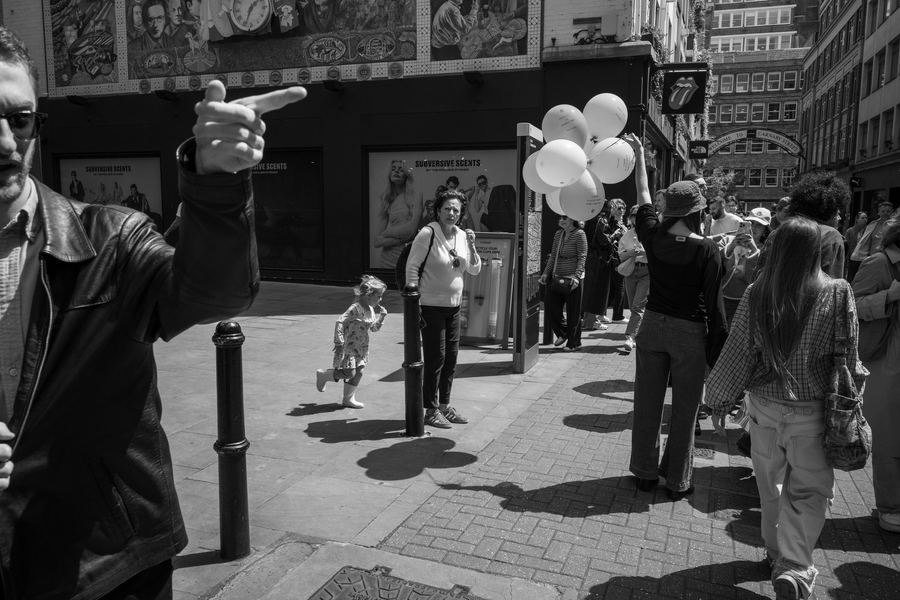
A shape, a subject or a colour that comes back every few pages gives a reader something to hold on to. They recognise it before they can say why, and the recognition ties the zine together.

What a motif is
The word comes from music. Keith Smith, whose own books are built like music, says his only influences were sonatas, symphonies and Richard Wagner’s leitmotifs, not photographers. Wagner, he explains, used a few notes to stand for a character, a place or an event, and brought them back through the work. A photographic motif does the same job: a subject, a shape or a colour that returns every few pages, so that the reader meets it, moves on, and then meets it again.
Robert Frank’s The Americans is the example most photobook makers know. The National Gallery of Art describes the book as built in four sections, each beginning with a picture of an American flag, and the writer David Campany lists the motifs that repeat through it: the flag, people somehow alone in crowds, cars, screens. None of these is the subject of the book. They are the thread the reader follows through 83 photographs with no story to tell them where they are.
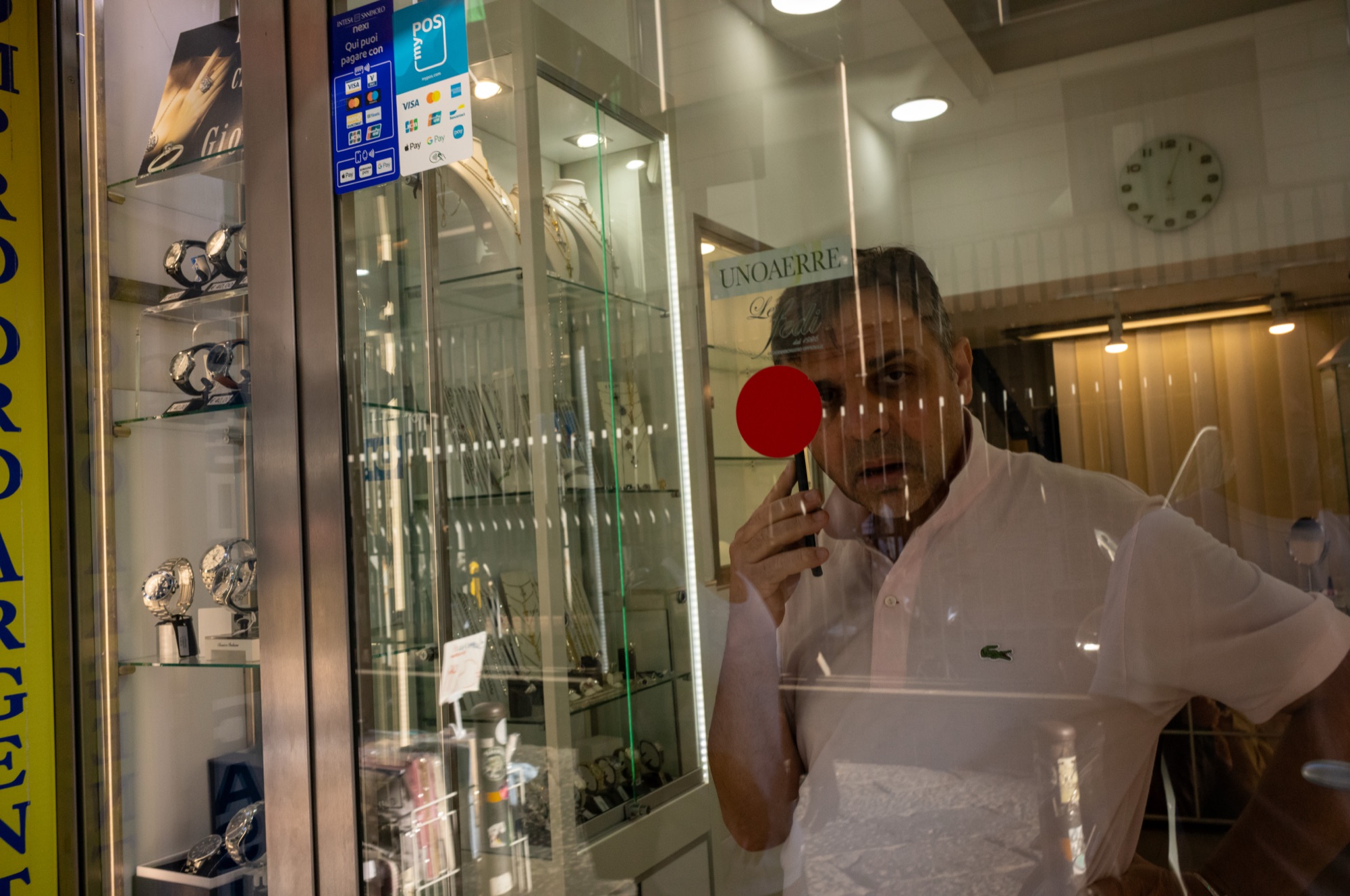
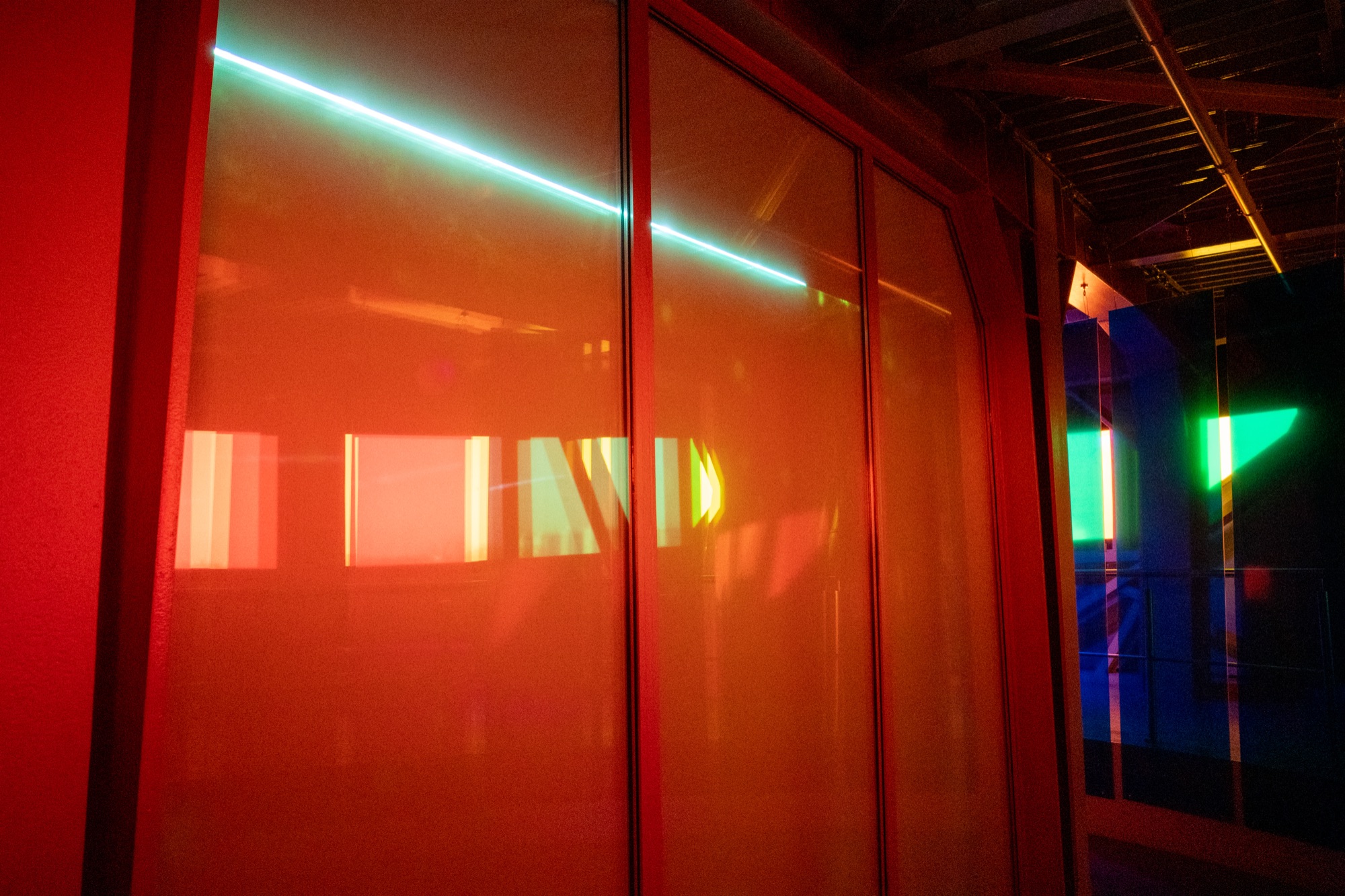
A motif doesn’t have to be an object. It can be a gesture, a kind of light, a way of standing, a window. What matters is that the reader can recognise it when it comes back.
Finding yours
Most motifs aren’t planned. They turn up on the table when the prints are laid out, because photographers return to the same things without meaning to. Anne Wilkes Tucker, writing about Alec Soth’s Sleeping by the Mississippi, notes that Soth includes photographs of beds and mattresses throughout the book, most of them empty, and uses them the way Walker Evans used cars and the other objects of American popular culture. The beds weren’t the project. They were what Soth kept noticing, and in the sequence they became what the reader notices too.
So the first place to look is your own edit. Spread the prints out and ask what appears more than once: hands, doorways, the backs of heads, a particular grey sky. If one of them appears three or four times, you have a motif whether you wanted one or not. The decision is whether to use it.

Andrew Molitor, writing about sequencing, puts the reader’s side of it plainly. Show them a flower and then another flower, a building and then another building, and they will see that you mean it. Once they see it, they start looking for it. That is the point: a motif turns a reader from someone who is looking at pictures into someone who is looking for something.
Spacing it out
A motif needs distance to work. Two windows on facing pages are a pair; a window on page 3, another on page 14 and a third on page 22 are a thread. The gap is where the recognition happens. Smith describes a sequence that takes the viewer to a picture eight or ten pages ahead, or one already seen, then returns to the main line of the book, and he credits his mentor Nathan Lyons as the master of this kind of visual motif.
A motif is a picture the reader recognises before they can say why.
Molitor describes the same thing from the reader’s chair. A picture that obviously refers to an earlier one directs them backwards; they stop and think, where have I seen that before, and sometimes they turn back to check. A zine that makes a reader turn back has already done more than most.
Frank’s flags show one way to place a thread: at the start of each section, so the motif marks the structure. In a 24-page zine that might be a window on the first spread, another in the middle and the last one near the end, each a little different from the one before. The pacing between them can be anything; the motif is what makes the far ends of the zine feel like one thing.
When it becomes too much
The risk is the obvious one. Molitor’s sentence has a second half: show the reader another flower and they will see that you mean it; do it again and they will start to wonder why. The photographer Harvey Benge describes seeing books sequenced purely on formal echoes, one shape answering the next, and the reaction they get: oh yes, I can see why those photographs were put next to each other, so what. The reaction he wants instead is the question, why were those pictures put together, there has to be a reason.
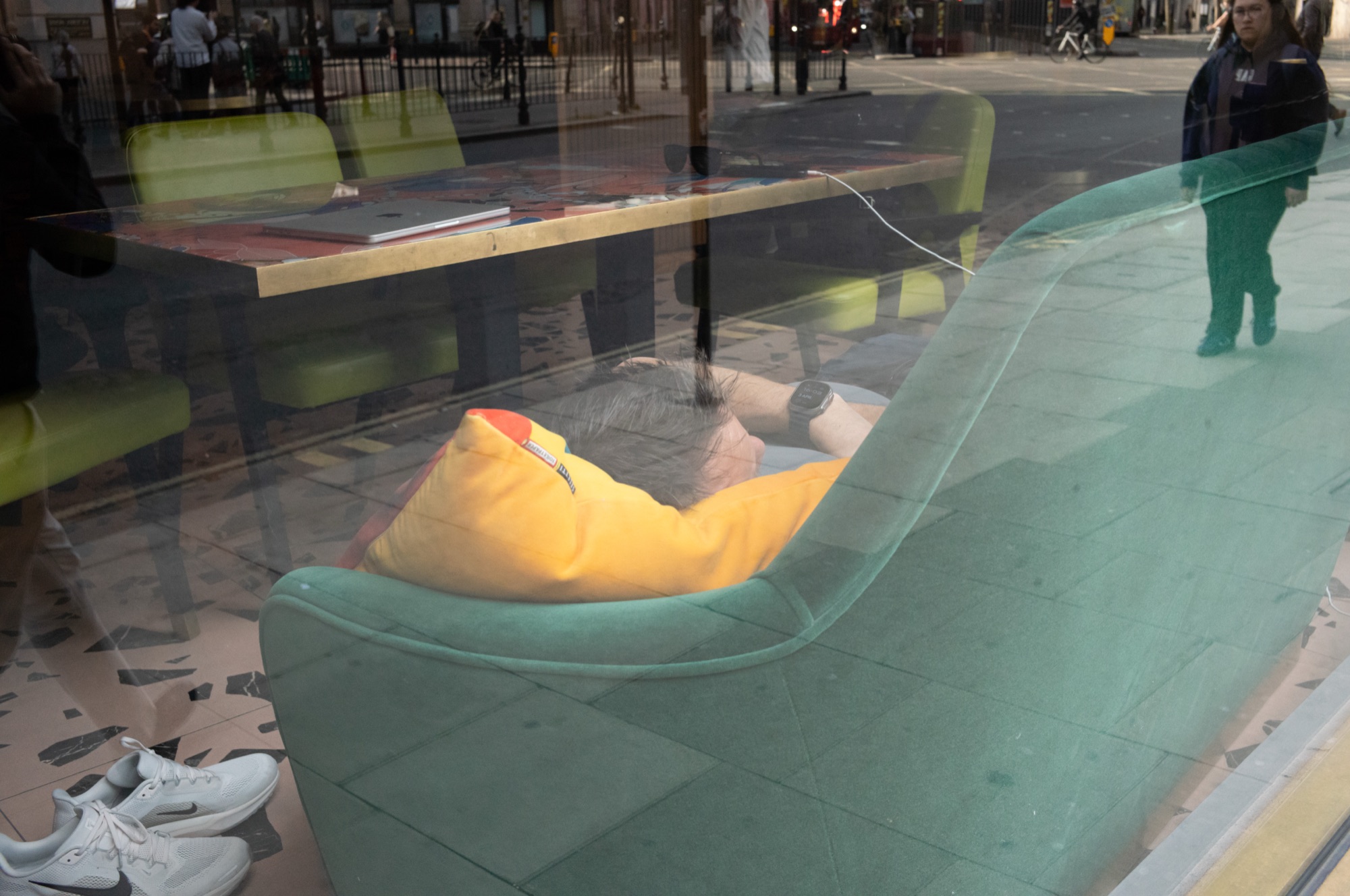
Two things help. The first is change. Campany points out that Frank took familiar American images and recoded them, so that they feel fraught and worrisome rather than heroic. The flag is never quite the same flag twice. A motif that returns unchanged is a repeat; a motif that returns altered is a development. The second is restraint. Three or four appearances across a zine are usually enough; the reader needs only to recognise it, not to be reminded on every spread. If every picture carries the motif, it stops being a thread and becomes the subject, and that is a different zine.
When two pictures of the motif end up side by side by accident, treat it as a sign that one of them belongs somewhere else, or back in the edit.
Sources and further reading
- Lesley A. Martin, “How to Make Books that Sing Like Sinatra”, an interview with Keith Smith, Aperture (31 January 2019): Wagner’s leitmotifs as the model, a few notes for a character or a place, taking the viewer to a picture eight or ten pages ahead or already seen, and Nathan Lyons as the master of visual motif.
- National Gallery of Art, “The Americans, 1955–1957”: the book’s four sections, each beginning with a picture of an American flag, and a non-linear sequence linked by thematic and formal devices.
- David Campany, “Robert Frank and The Americans”: the motifs that repeat (the flag, people alone in crowds, cars, screens) and how Frank recoded them to feel fraught rather than heroic.
- Anne Wilkes Tucker, “‘and empty grows every bed’”, on Alec Soth’s Sleeping by the Mississippi, MACK: beds and mattresses throughout the book, most of them empty, used the way Evans used cars.
- Andrew Molitor, “Sequencing, Part I”, Luminous Landscape: another flower, another building, and the reader seeing that you mean it; doing it again and the reader wondering why; a picture that directs the reader backwards.
- Harvey Benge, “The Photobook: a few thoughts on sequencing” (14 August 2011): books sequenced on formal echoes alone, the “so what” reaction, and the question he would rather the reader asked.