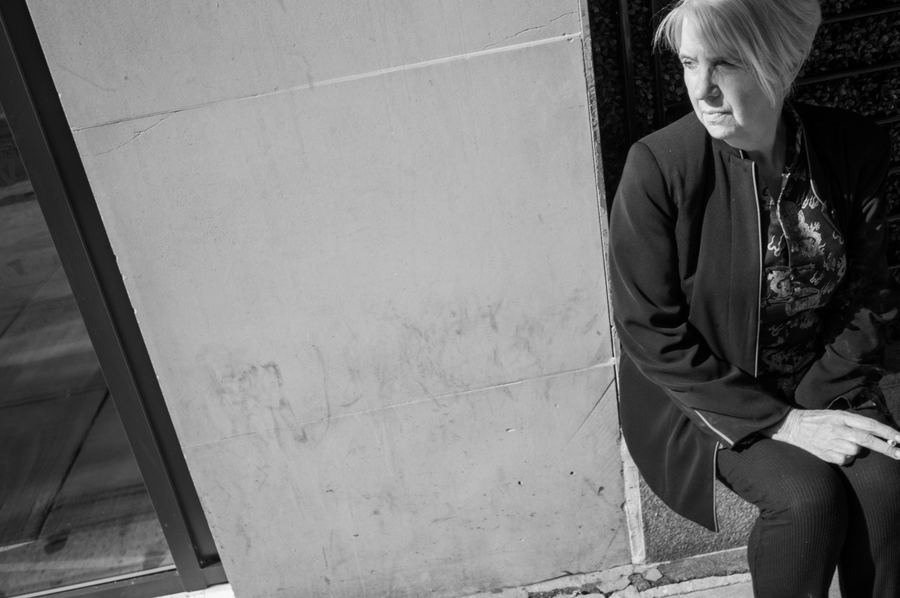
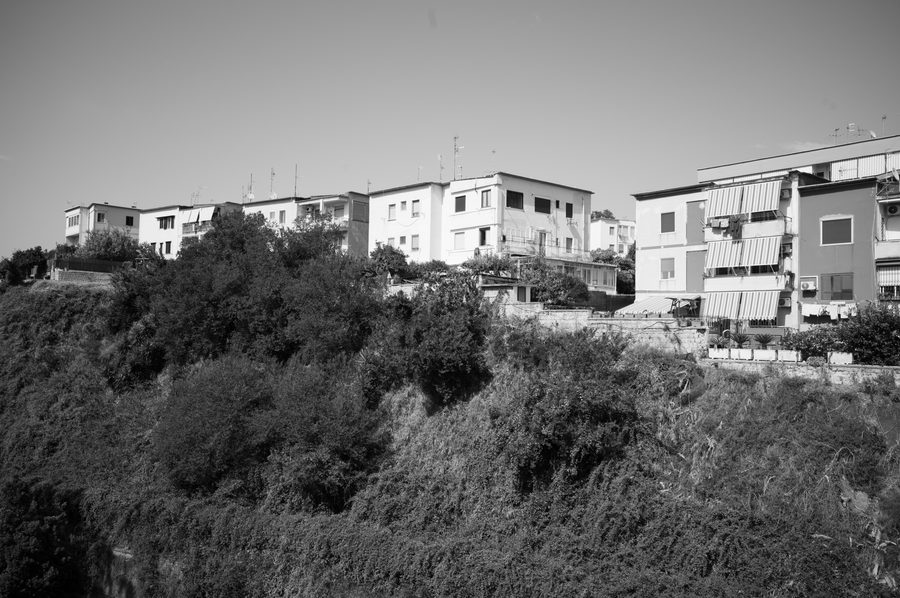
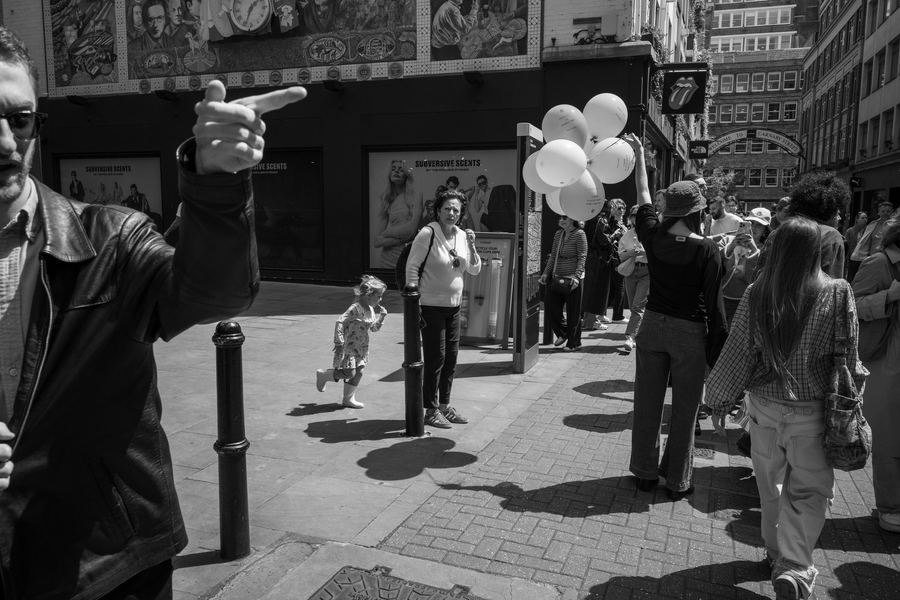
Left page, right page
Open a zine and your eye goes to the right-hand page first. It is a small habit, and it decides which of your photographs gets seen and which one sets it up.

Which page is which
Open a zine anywhere and you are looking at two pages. Book makers have names for them: the left-hand page is the verso and the right-hand page the recto. The words are worth knowing only because the two pages behave differently. Verso comes from the Latin for “that which must be turned”; recto means “on the right side”. The left page is the back of the leaf you have just turned. The right page is the front of the one you are about to.
In a stapled zine the pattern is fixed. Page 1, the first page inside the front cover, is a right-hand page, and every odd-numbered page after it is on the right. Even-numbered pages are on the left. That is why page numbers in books sit on the outside corners: odd on the right, even on the left.
The right page arrives first
Hold a zine and turn a page slowly. Andrew Molitor, writing about how a book works in the hand, points out that because the spine is on the left you turn from right to left, so the right-hand side of the next spread is revealed first and the left-hand side after it. Then habit takes over: in a language read from left to right, your eyes move to the top left of the spread and work across. The right page is glimpsed first and read second.
The glimpse is what counts. The photographer and educator Grant Scott calls the right-hand page the most important one, because it is the page readers in the western world turn to first. Book designers have worked with this for a long time: in most non-fiction books a new chapter starts on a right-hand page, a convention the designer Joel Friedlander suggests checking against your own bookshelf. Walker Evans made American Photographs (1938) with every plate on the right and the facing page blank. Molitor calls photographs on the right and nothing on the left the most conservative approach. It is also the simplest, and it still works.
None of this makes the left page a weak page. It makes it a different one. The right page is where a picture lands. The left page is where the reader is already standing when it does.
What to put where
A useful way to think about a spread is setup and arrival. Whatever is on the left prepares the reader for what is on the right. A quieter picture on the left, a detail, a texture, a view with nothing much in it, lets the right-hand photograph arrive with its full weight. Put the strong picture on the left instead and the reader meets it in passing, on the way to a right page that now has to compete with it.
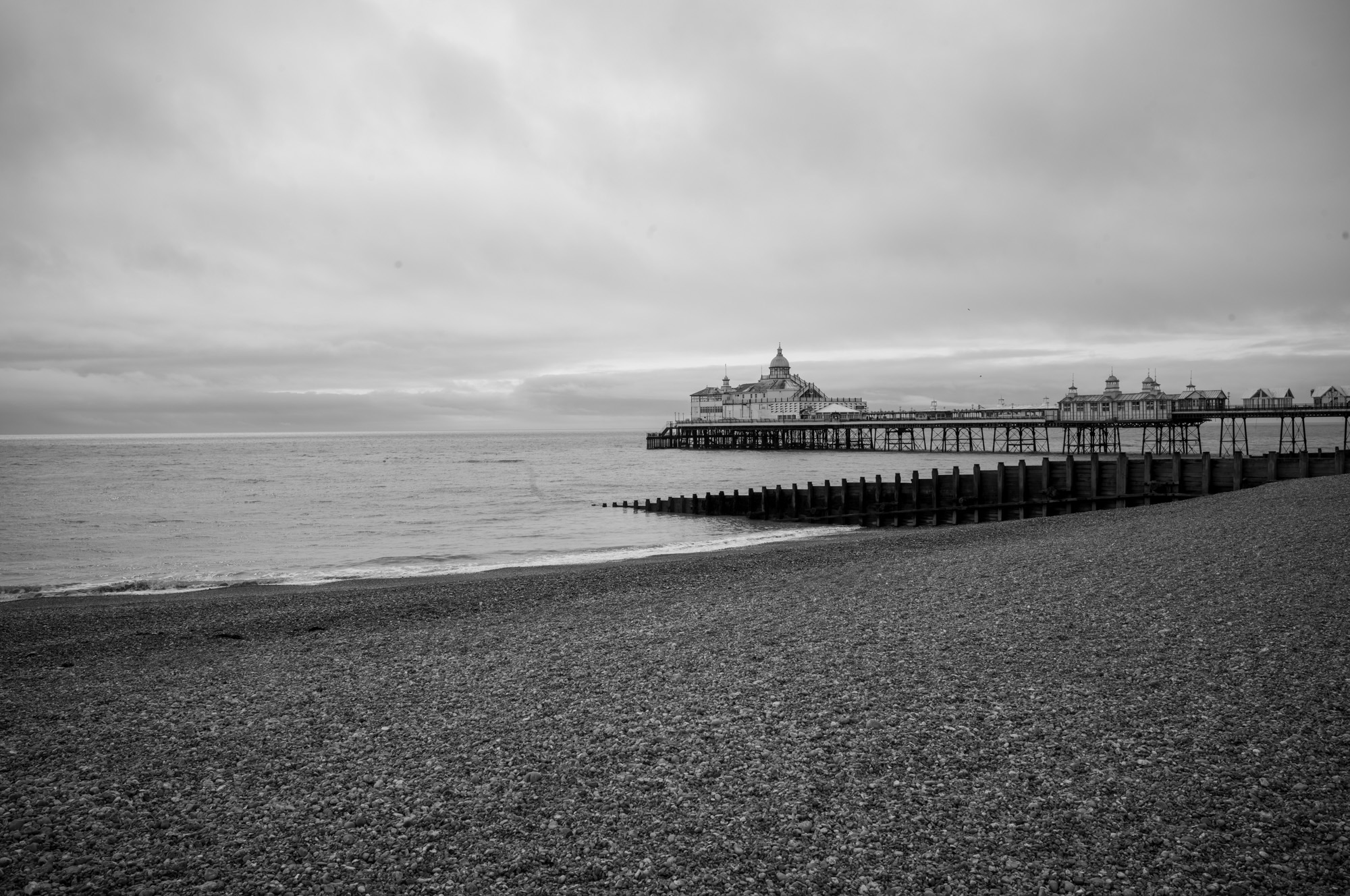
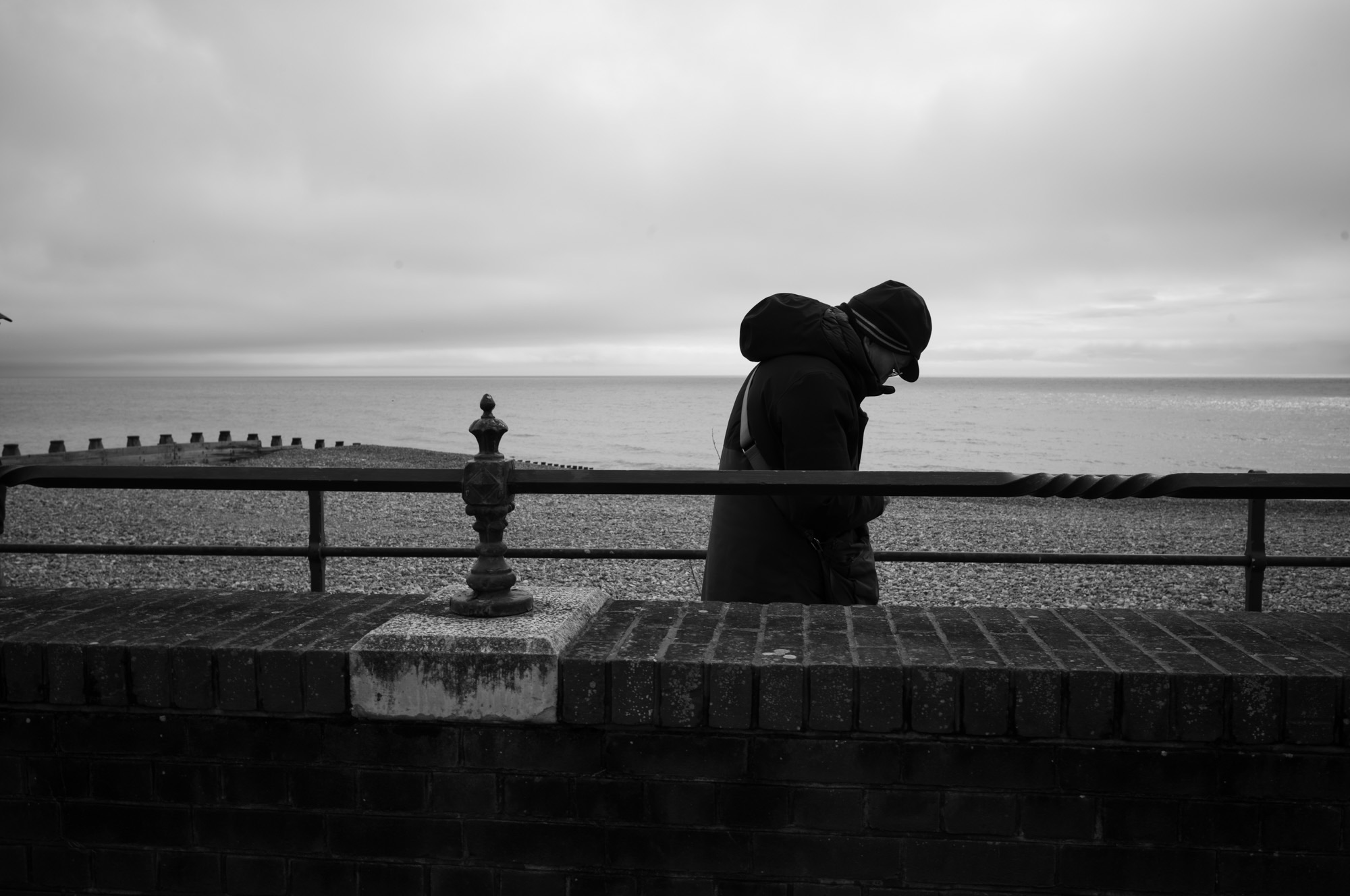
Direction matters too. Scott suggests looking for natural left and right-hand pages among your photographs. A figure walking or looking towards the fold draws the reader into the spread; the same figure on the other page walks out of the book. A picture with its weight on one side, a bright window, a dark doorway, often has a side it prefers for the same reason.
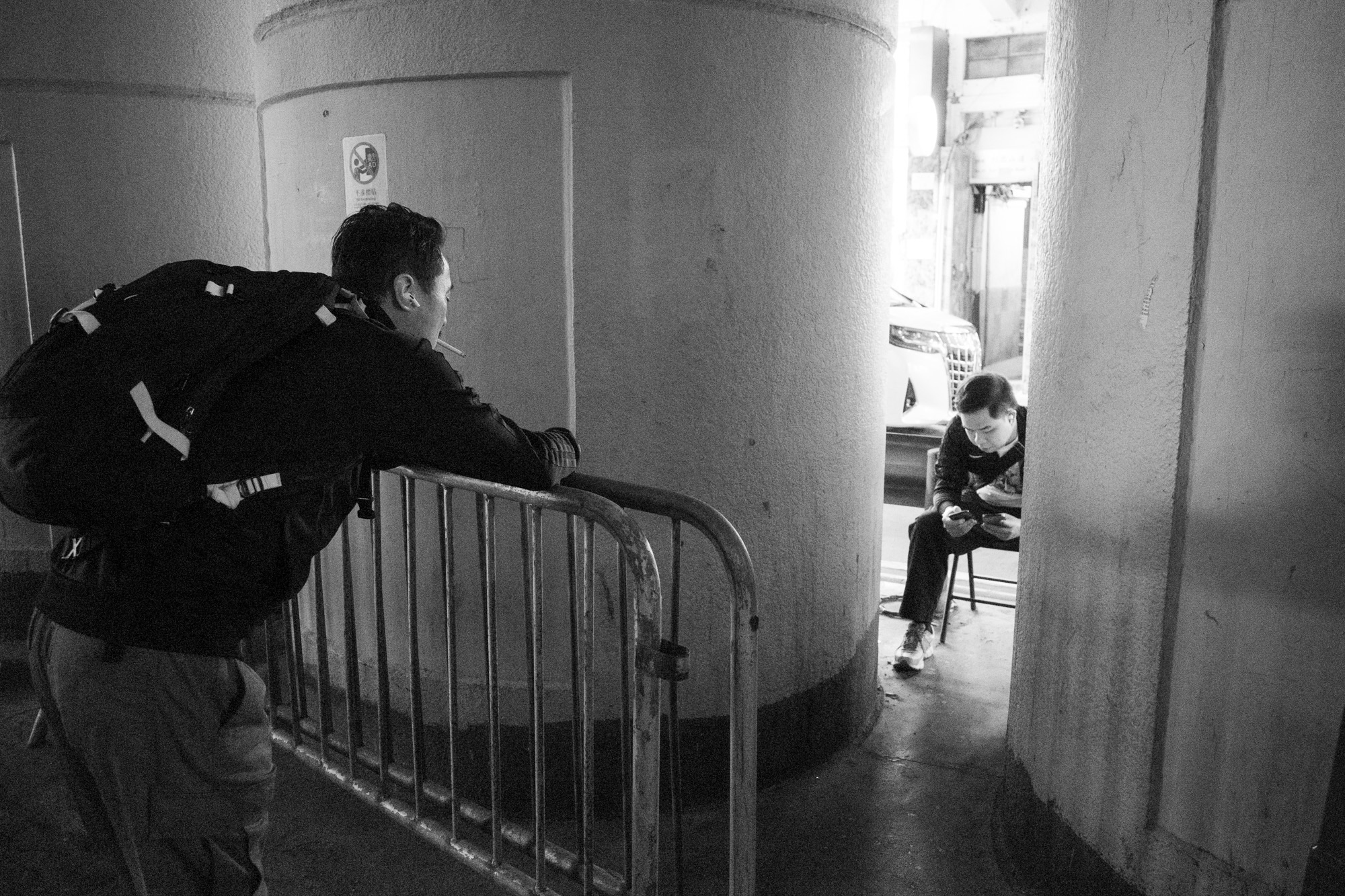
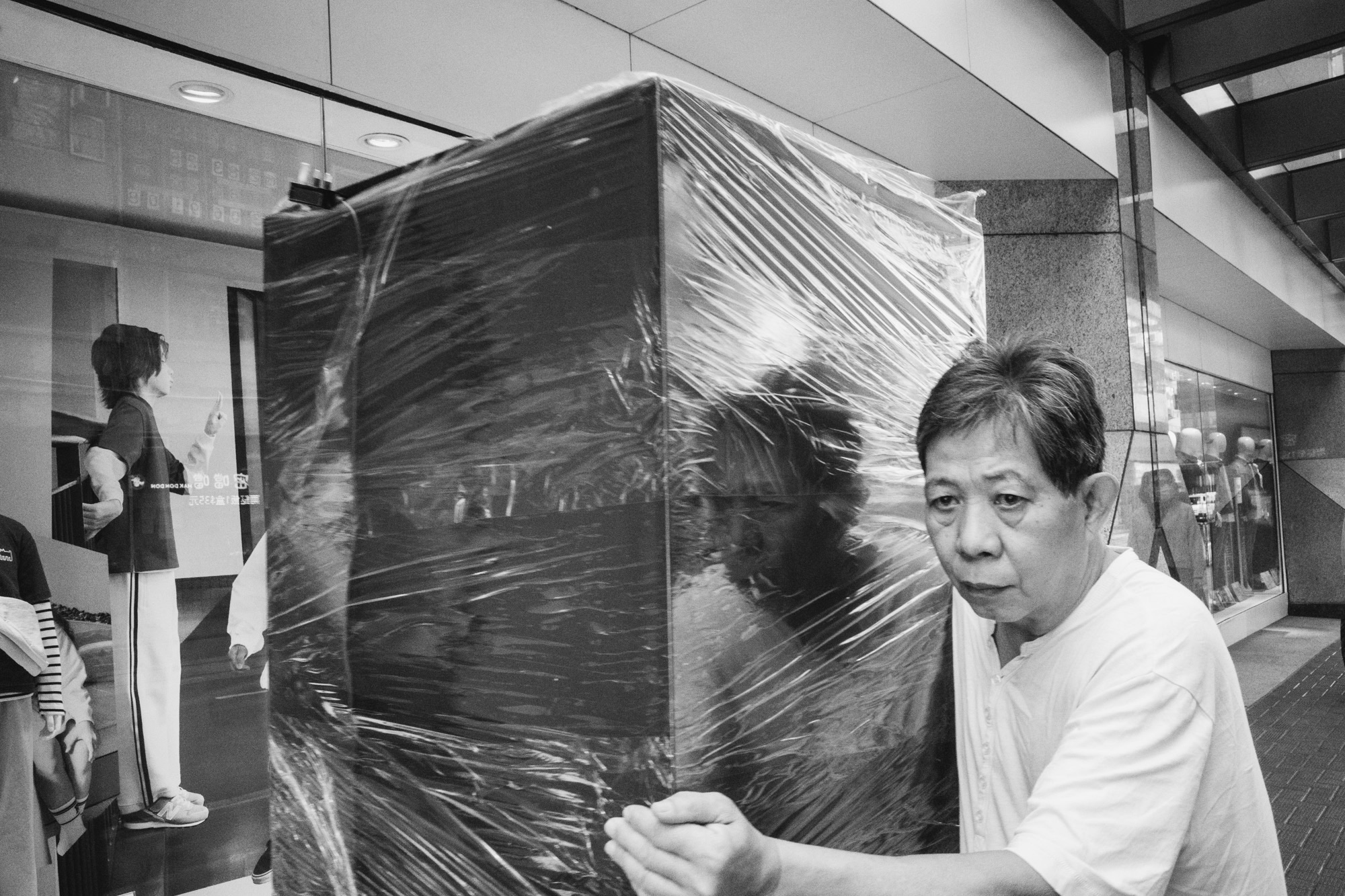
Molitor adds one more case. A single photograph that has no partner, and no crop that would let it cross the spine, goes on the right page on its own.
Two rhythms
Because the two pages behave differently, a zine can carry two threads at once. Molitor describes setting up one rhythm on the left-hand pages and quite another on the right, so that the reader follows both and they come together near the end. His example is small black-and-white details on the left and wide colour views on the right. In a zine it might be interiors and exteriors, close and far, day and night, or portraits on one side and the places they belong to on the other.
The right page is where a picture lands. The left page is where the reader is standing when it does.
You don’t need two threads to make this useful. Even a loose pattern, a quiet left page before most full-page pictures, gives the zine a pulse that the reader feels without noticing. Breaking the pattern then means something: a strong picture on the left stops the reader where they didn’t expect to stop.
Count your pages
The side a photograph lands on is set by its position, not by you. Move one picture earlier or later in the order and every picture after it swaps sides: the ones that were on the right are now on the left. A sequence that worked on the table can fall apart in the zine for this reason alone.
So check the sides as well as the order. Lay the sequence out as spreads, not as a row of single pictures, and look at which page each one lands on. In a stapled zine the first page inside the cover is on the right, so the opening photograph has the strong page by default; the inside back cover is a right page too, which gives the last picture the same advantage if you use it. Everything in between depends on the count.
Sources and further reading
- Andrew Molitor, “Sequencing, Part I”, Luminous Landscape: how the turn reveals the right-hand page and then the left, the eye moving to the top left of the spread, photographs on the right as the most conservative approach, a rhythm on the left-hand pages and another on the right, and the single photograph that goes on the right.
- Grant Scott, “If you listen to photographs they will talk to you, or how to sequence your images”, United Nations of Photography (14 April 2024): “the right-hand page is the most important as it is the one the western world turn to first”, and looking for “natural left and right-hand pages”.
- Joel Friedlander, “Designing eye-catching chapter openers and part openers”, The Book Designer: starting chapters on a right-hand page as the convention in non-fiction.
- Popular Photography, “Walker Evans’s American Photographs, finally back in print”: the plates on the right-hand pages, facing pages blank.
- Penn State World Campus, “The Art of the Picturebook” (course sample): verso as “that which must be turned”, recto as “on the right side”, and the left-to-right reading order on a spread.