Openings and closings
The first picture invites the reader in. The last one stays with them after the cover closes.
The first picture
The first photograph a reader meets sets the terms for everything after it. It tells them what kind of looking the zine asks for: slow or quick, close or distant, quiet or loud. It doesn’t have to explain the whole zine. It has to make a promise the rest of the pages can keep.
Robert Frank’s The Americans opens with Parade, Hoboken, New Jersey: two women watching from their windows, a flag hanging across the front of the building so that one of them is half hidden. The Metropolitan Museum of Art describes it as the picture that “sets the tone for Frank’s journey of discovery”. Not much happens in it, and yet it holds the whole book: people watching, half seen, behind the symbols of their country.
There is more than one way to choose. The photographer and educator Grant Scott suggests finding your two strongest pictures and placing them first and last, “the capital letter and full stop” of the sentence. Other makers open with something clearer and quieter than their strongest picture, so the zine has somewhere to go. Either can work. What they share is that the first picture is chosen for the job, rather than being whichever one came first.
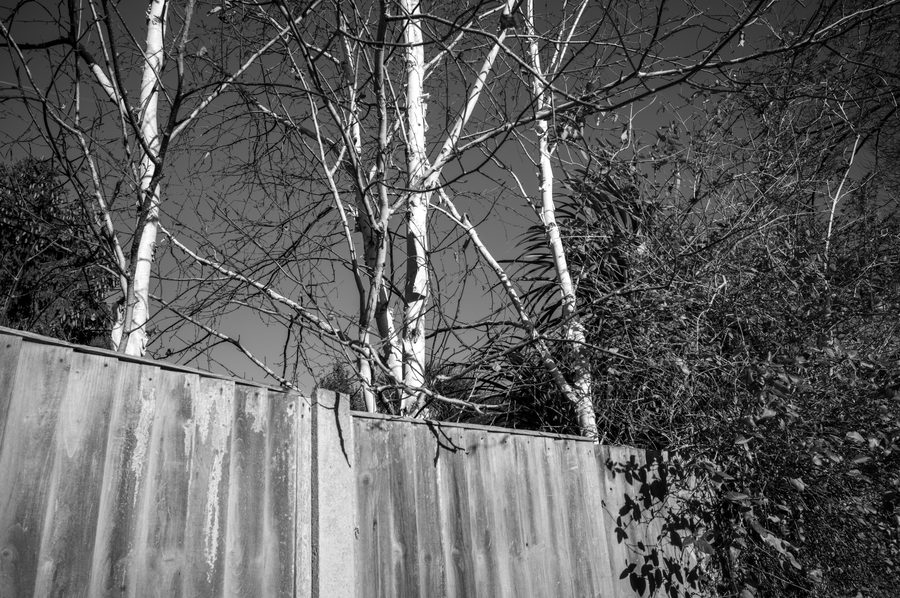
Where it sits matters too. In a stapled zine, the first page inside the cover is a right-hand page, and that is where a reader’s eye lands first; Scott calls the right-hand page “the most important” for this reason. A single photograph there, with the left page white, gives it room.
Building towards the end
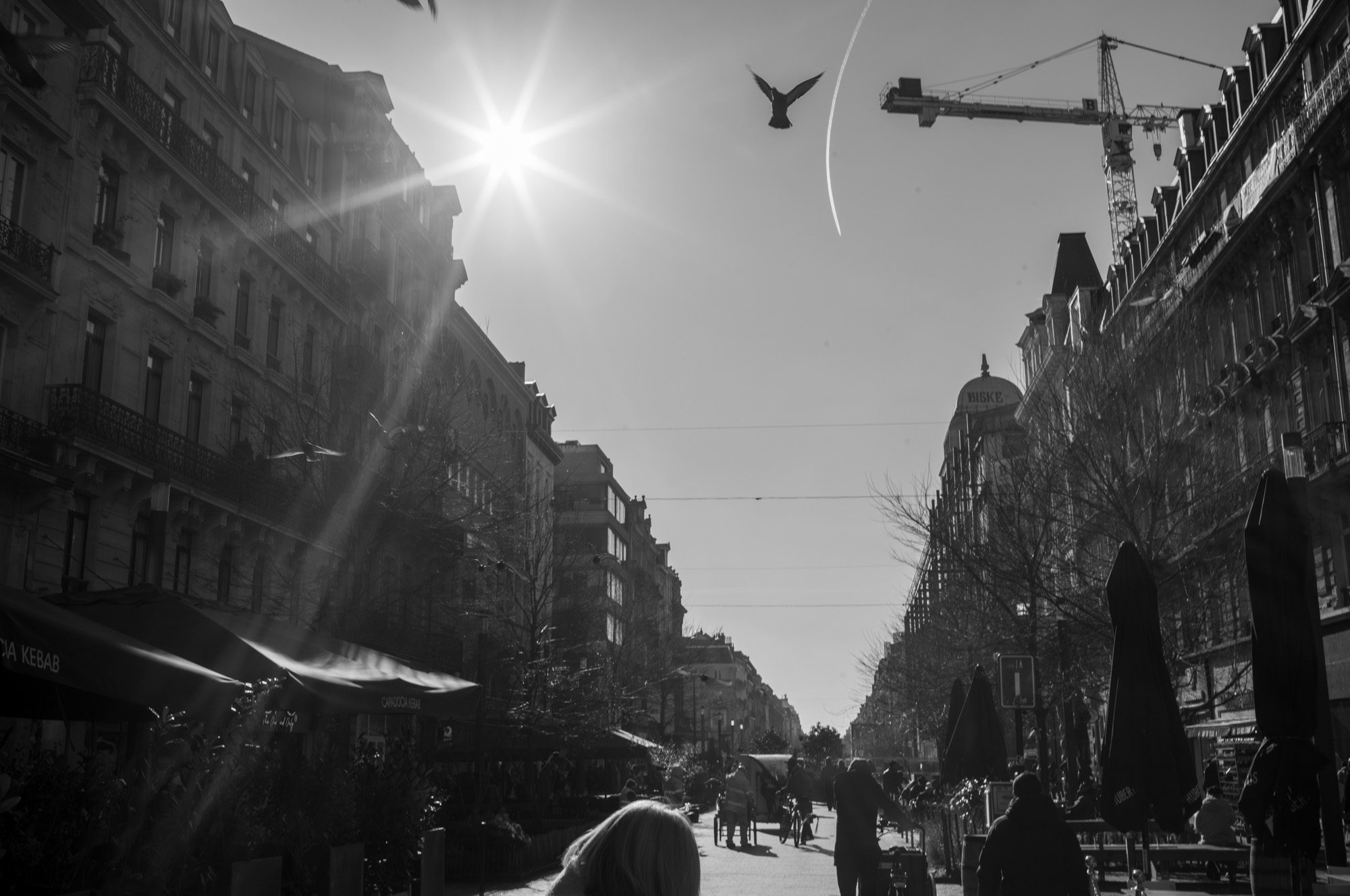
A book has a direction built into it. A reader starts at the front and turns forward, which Andrew Molitor calls “a built-in forward drive”. A sequence can use that pull. A change of place, of light, of distance from the subject, or of how full the pages feel, gives the reader the sense of getting somewhere, and the ending somewhere to arrive.
Strong pictures need quieter ones between them. Looking back at Sleeping by the Mississippi, Alec Soth said its weak point was “the lack of in-between pictures”: “too many iconic images following iconic images with no softer pictures in between.” A run of full spreads followed by a single small photograph on a white page reads as a pause; the reader slows down before the next turn, and the picture that follows lands harder.
The ending is easier to find once you know what the zine is building towards.
Lay small prints out in a line and read them from left to right, as a reader would turn the pages. Notice where your attention drops, and where two pictures repeat the same idea. Those are the places to cut, move or pair differently. If the line won’t settle, the problem is often back in the edit (see Edit and sequence).
The last picture
The last photograph is the one the reader carries away. The Americans ends with U.S. 90, en route to Del Rio, Texas: Frank’s wife and children in the parked car, photographed from outside through the windscreen. The Met calls it the last photograph in the book “and one of its loneliest”, and the only one that includes his family. After a book of strangers, the photographer turns to his own people, and still stands outside looking in. The ending answers the opening, people behind glass, watched, without repeating it.
Some makers end on the strongest picture; others on something open, a picture that asks a question rather than answers one. Molitor notes that a late picture which echoes an early one can send the reader back to the beginning, one way to make a small zine feel whole. What tends not to work is an ending that simply stops, with the last picture no different in weight from the ones before it.
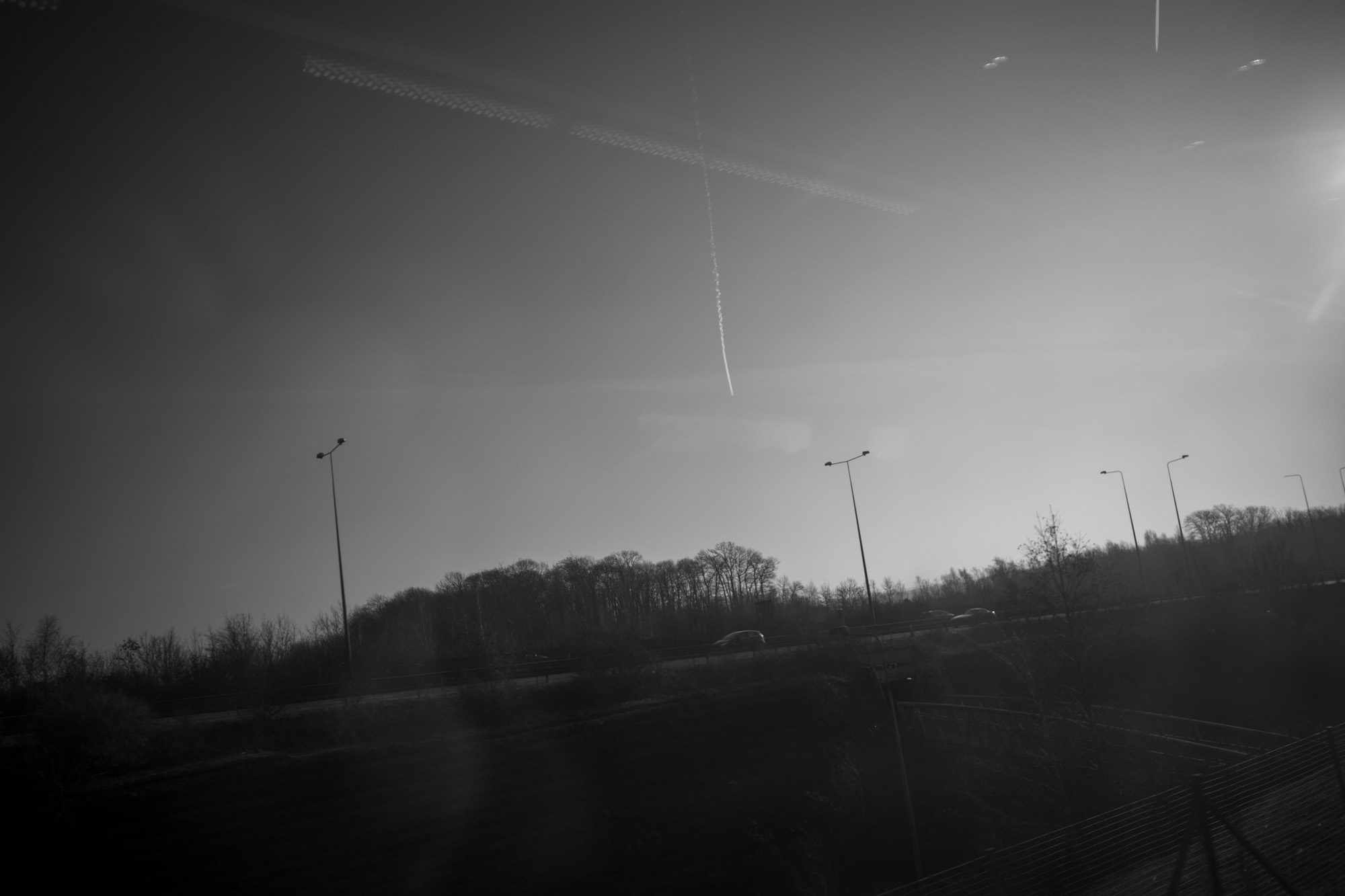
The pages after the last photograph are part of the ending too. A white page, then the colophon (the small page of credits), gives the last picture a moment of quiet before the cover closes.
Sources and further reading
- The Metropolitan Museum of Art, press release for Looking In: Robert Frank’s The Americans (2009): the opening picture.
- The Metropolitan Museum of Art, collection entry for Robert Frank, U.S. 90, En Route to Del Rio, Texas (1955): the closing picture.
- Grant Scott, “If you listen to photographs they will talk to you, or how to sequence your images”, United Nations of Photography (14 April 2024).
- Andrew Molitor, “Sequencing: Part I”, Luminous Landscape (2017).
- British Journal of Photography, “Alec Soth is Sleeping by the Mississippi” (November 2017).